Finding water around the bottom of your water heater is something you shouldn't ignore. Sometimes the problem is relatively minor. In other cases, it may be a warning that the water heater itself is beginning to fail.
The important question is not simply whether there is water on the floor. It is where that water is actually coming from.
Williams Plumbing provides water heater repair and installation throughout Rancho Cucamonga and surrounding Inland Empire communities. Here are some of the most common reasons homeowners discover water around the bottom of a tank-style water heater.
Water around the bottom of a water heater does not automatically mean the tank has failed. The source may be a drain valve, plumbing connection, pressure relief system, condensation, or the tank itself. Identifying the source first helps determine whether repair or replacement makes sense.
1. The Water Heater Drain Valve Is Leaking
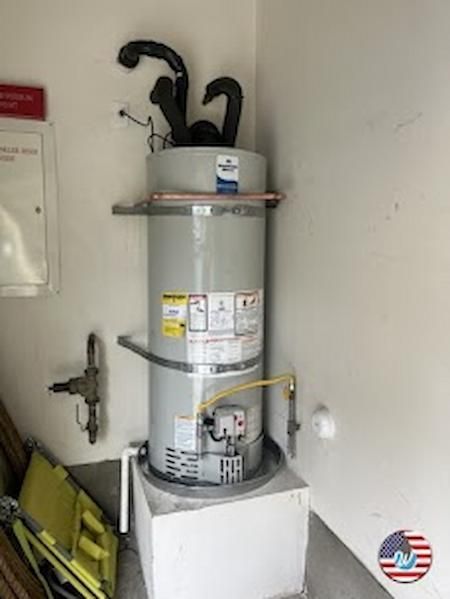
Tank-style water heaters normally have a drain valve located near the bottom of the tank. This valve is used when the tank needs to be drained for maintenance, service, or replacement.
If the valve becomes loose, damaged, or worn, a small amount of water may begin leaking around it.
Because the drain valve sits close to the bottom of the water heater, even a relatively minor valve leak can make it appear that the tank itself is leaking.
2. The Leak May Actually Be Coming From Above
Water travels downward, which means moisture collecting around the base of your water heater may actually originate from a connection higher on the unit.
Hot and cold water supply lines, fittings, valves, and nearby plumbing should be checked before assuming the tank itself has failed.
A slow leak near the top of the heater can travel down the exterior of the tank and eventually collect on the floor.
Water at the bottom of a water heater does not always mean the bottom of the tank is leaking.
3. The Temperature and Pressure Relief System May Be Involved
Tank-style water heaters are equipped with a temperature and pressure relief valve, commonly called a T&P valve.
This is an important safety component designed to release pressure under certain operating conditions.
If water is coming from the valve or its discharge piping, the cause needs to be evaluated rather than simply stopping the water from escaping.
Never plug, cap, or disable a temperature and pressure relief valve in an attempt to stop a leak. The T&P valve is an important water heater safety device.
4. Condensation Can Sometimes Look Like a Leak
Under certain operating conditions, condensation may develop around a water heater or nearby plumbing.
A small amount of temporary moisture does not necessarily mean the water heater tank has failed.
If you repeatedly dry the area and water comes back, there is likely a source that should be located.
5. The Water Heater Tank Itself May Be Leaking
One of the more serious possibilities is deterioration of the tank.
Tank-style water heaters continuously store many gallons of water. Over time, corrosion may develop inside the tank. If the tank begins leaking internally, water may eventually appear around the bottom of the unit.
Unlike a leaking fitting or replaceable valve, a leaking storage tank generally cannot simply be patched as a permanent repair. When the tank itself has failed, replacement is typically necessary.
What Are the Warning Signs of a Failing Water Heater?
Water around the base is not the only indication that a water heater may need attention.
- Hot water runs out faster than it used to
- Water temperature becomes inconsistent
- Rusty or discolored hot water appears
- The tank makes popping or rumbling noises
- Corrosion develops around connections
- Moisture repeatedly appears near the heater
- The unit requires repeated repairs
- Hot water performance noticeably declines
Should You Repair or Replace a Leaking Water Heater?
The right answer depends largely on what is leaking and the overall condition of the water heater.
Repair may make sense when the problem involves a serviceable valve, plumbing connection, or other component and the tank remains in good condition.
Replacement may be the better option when the tank itself is leaking, significant corrosion has developed, or an older unit has begun experiencing repeated problems.
What Should You Do If You Find Water Around Your Water Heater?
If you discover water around your water heater, do not ignore it. Avoid standing in water near electrical equipment or electrical connections.
If a significant amount of water is actively leaking and you know how to safely shut off the water supply to the heater, doing so may help limit additional water damage.
Then contact a plumber to determine where the water is coming from.
Williams Plumbing Water Heater Services
Williams Plumbing provides water heater inspection, repair, and installation along with comprehensive residential plumbing services throughout Rancho Cucamonga and surrounding Inland Empire communities.
Water Around the Bottom of Your Water Heater?
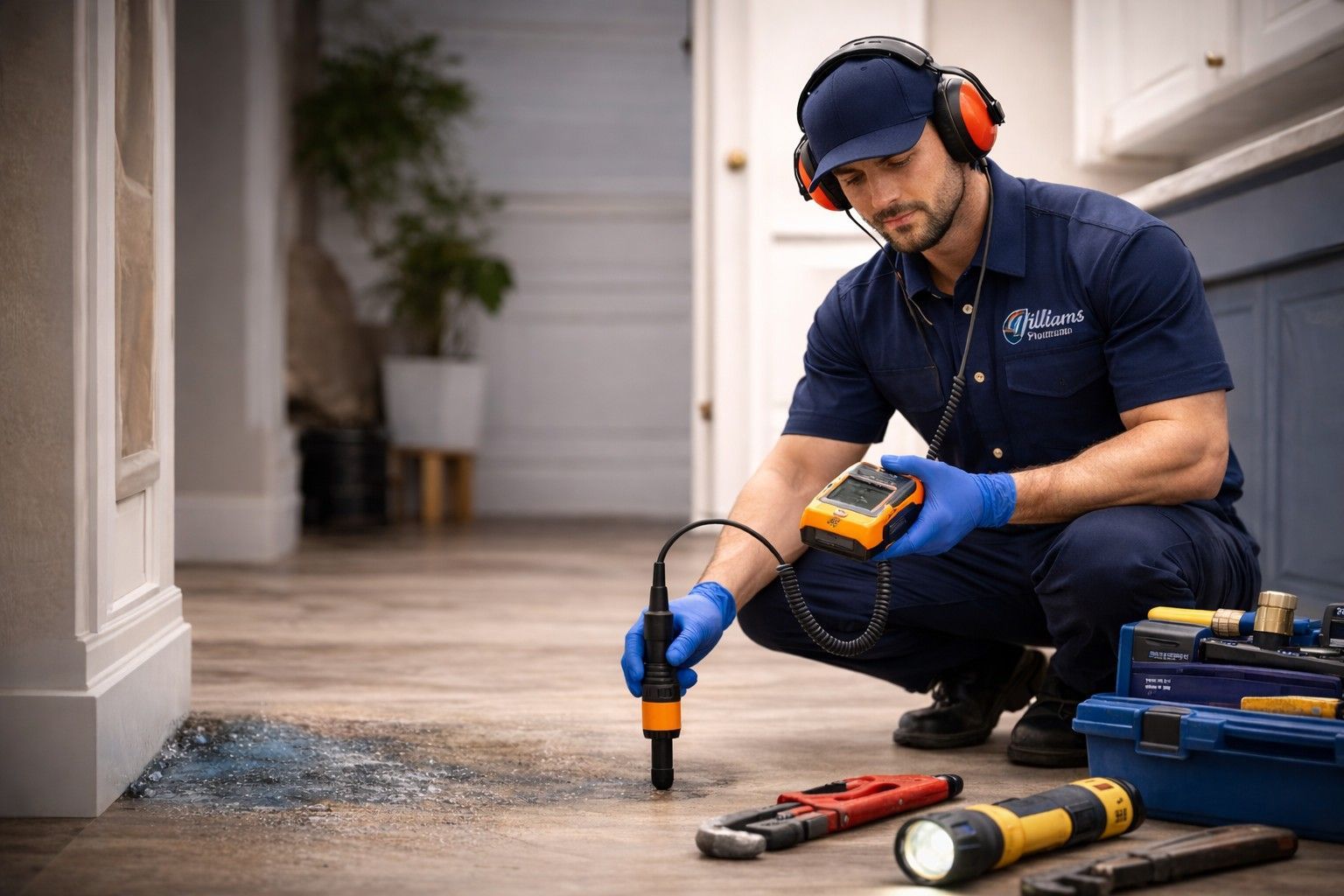
Williams Plumbing can inspect the unit, determine where the water is coming from, and explain whether repair or replacement is the appropriate next step.
Call 909-702-0130 →