Not every plumbing leak leaves an obvious puddle. Water lines can run behind walls, underneath floors, inside cabinets, and through areas of the home that are difficult to inspect.
That means a hidden leak may continue for some time before the source becomes obvious. Instead, homeowners often notice changes in water usage, moisture, pressure, flooring, or sounds inside the plumbing system.
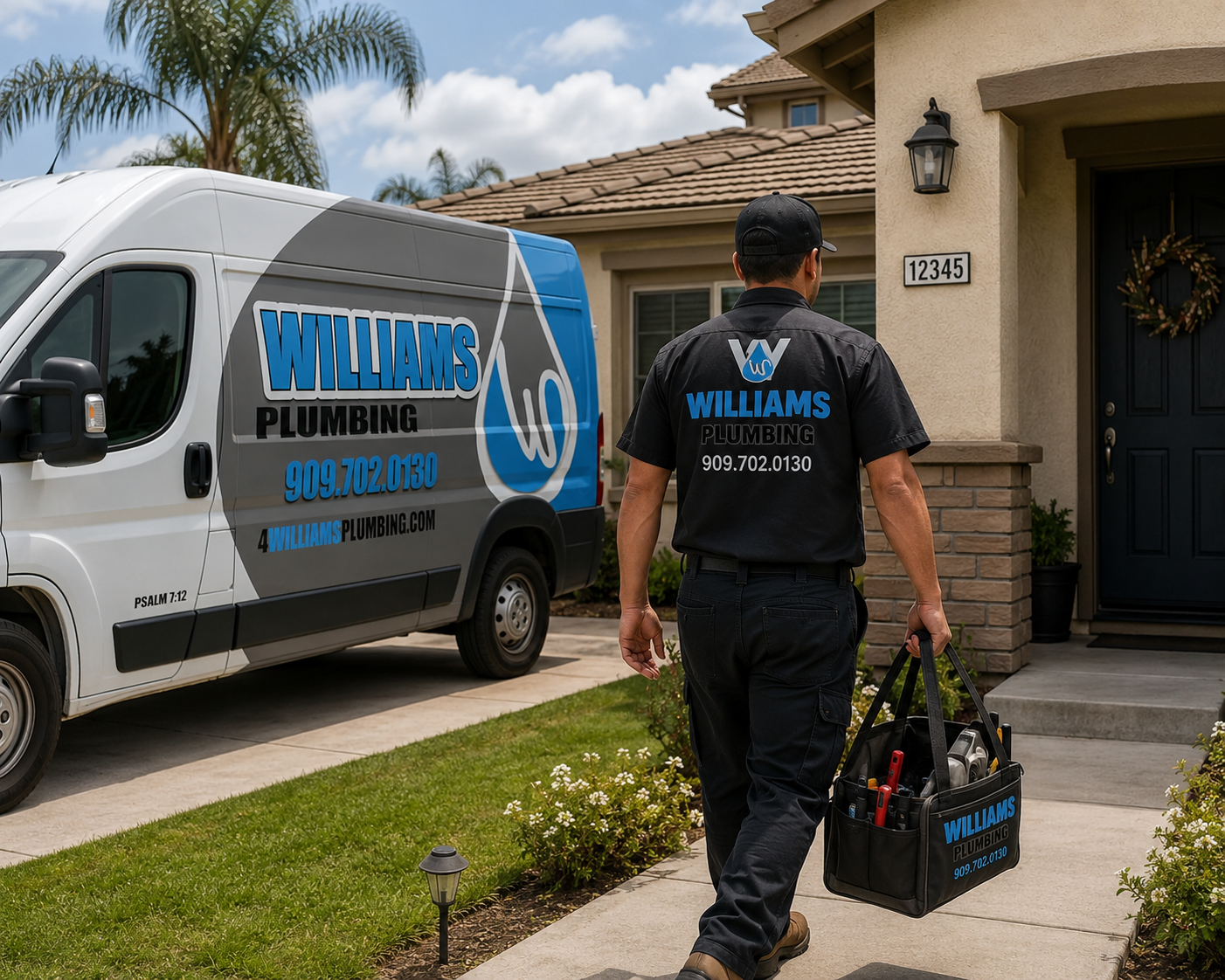
Williams Plumbing provides professional leak detection and plumbing repair throughout Rancho Cucamonga and surrounding Inland Empire communities. Here are some of the warning signs that it may be time to call a plumber.
A hidden water leak may reveal itself through higher water bills, running-water sounds, moisture stains, musty odors, water-meter activity, pressure changes, damaged flooring, or damp areas that repeatedly return after being dried.
1. Your Water Bill Is Higher Than Normal
An unexplained increase in your water bill can be one of the first clues that water is escaping somewhere in the plumbing system.
If your household routines have stayed relatively consistent but your water usage increases noticeably, it is worth investigating the reason.
The cause may be something obvious, such as a leaking toilet or irrigation problem, but it can also be a pipe or connection that is leaking somewhere out of sight.
2. You Hear Water Running When Everything Is Off
When faucets, showers, toilets, appliances, and outdoor fixtures are not using water, your plumbing system should generally become quiet.
If you continue hearing running, dripping, or flowing water inside a wall, beneath a floor, or near a cabinet, there may be water moving somewhere it should not be.
You do not have to see the damaged pipe to have evidence that water is escaping somewhere in your home.
3. You Notice Damp or Discolored Areas
Water escaping inside a wall or underneath flooring may eventually begin affecting visible surfaces.
Homeowners may notice damp baseboards, discoloration on drywall, bubbling paint, ceiling stains, warped flooring, or moisture inside a cabinet.
One important thing to remember is that water can travel. The area showing moisture is not always directly beside the pipe or fitting that is leaking.
4. There Is a Persistent Musty or Damp Odor
A musty smell that continues even after an area has been cleaned and dried may indicate that moisture is present somewhere you cannot easily see.
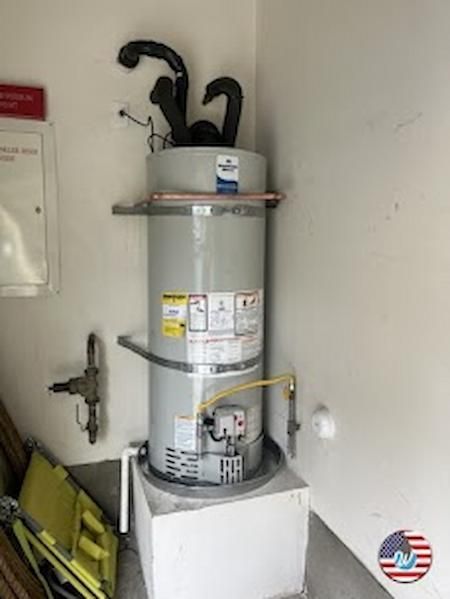
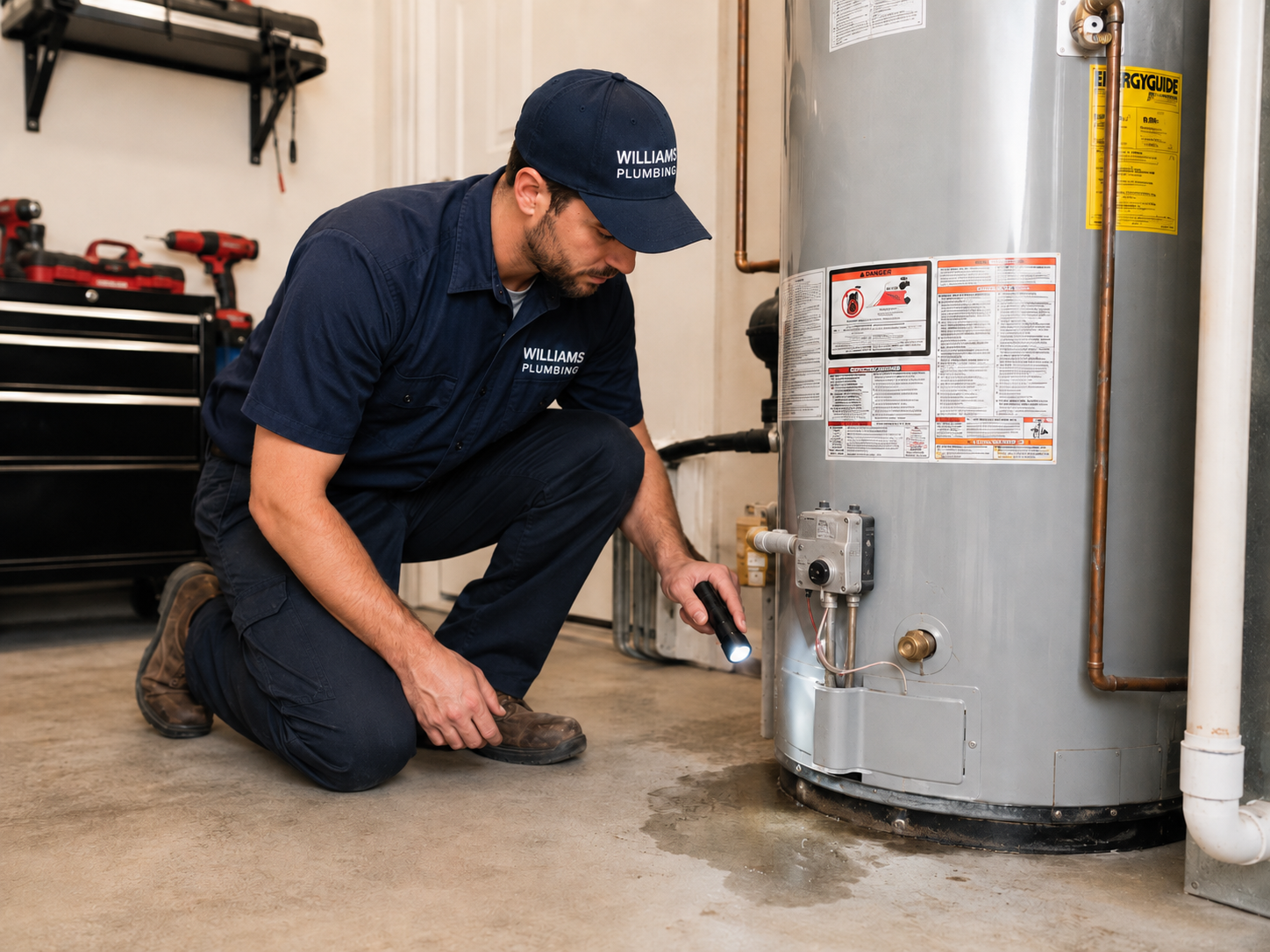
Plumbing is not the only possible cause, but a hidden leak should be considered when the odor develops near bathrooms, kitchens, laundry areas, water heaters, or walls that contain plumbing.
5. Your Water Meter Keeps Showing Usage
Your water meter can provide useful information when you suspect a hidden plumbing leak.
If all known fixtures, appliances, and outdoor water sources are turned off but the meter still indicates usage, water may be moving somewhere in the system.
Continued meter activity may tell you that water is still being used, but it does not identify where the leak is located. Professional leak detection may be needed to narrow down the source before opening walls, flooring, or other finished surfaces.
6. Your Water Pressure Suddenly Changes
Water pressure can change for several reasons, including valves, fixture problems, pressure regulators, mineral buildup, or municipal water conditions.
However, a significant leak in a pressurized water line can sometimes affect the amount of water reaching fixtures throughout the home.
If water pressure suddenly changes at several faucets or showers without an obvious reason, the plumbing system should be evaluated.
7. Flooring Begins to Warp, Lift, or Feel Unusually Warm
Water underneath flooring can sometimes create noticeable changes to the surface above it.
Laminate or wood flooring may swell or lift. Carpet may feel damp. Moisture may appear near baseboards or grout lines.
An unusually warm section of hard flooring can also be associated with a hot-water line leaking beneath a concrete slab.
8. Moisture Keeps Returning After You Dry the Area
A one-time spill should normally disappear once the area is cleaned and dried.
If moisture repeatedly returns to the same area, there is likely a source that still needs to be identified.
Repeatedly wiping up water without locating where it is coming from can allow the underlying problem to continue.
When Should You Call a Plumber?
Not every damp area requires professional leak detection, but several warning signs occurring together are a good reason to investigate further.
The goal is to find the source before a hidden leak creates additional water loss or affects more of the home.
- Your water bill increases unexpectedly
- You hear water when fixtures are turned off
- Your water meter continues showing usage
- Moisture or stains repeatedly appear
- Flooring begins to warp or lift
- You notice persistent musty odors
- Water pressure changes unexpectedly
- You suspect a leak but cannot find the source
Why Can Hidden Water Leaks Be Difficult to Locate?
Plumbing lines run through many areas that homeowners cannot easily see. Depending on the property, water lines may be located inside walls, ceilings, cabinets, underground, or beneath a concrete slab.
Water can also move away from the original point of failure before becoming visible.
A stain on a wall or ceiling does not necessarily mean the damaged pipe is located directly behind that spot. Water may travel along framing, plumbing, drywall, or other building materials first.
Why Professional Leak Detection Matters
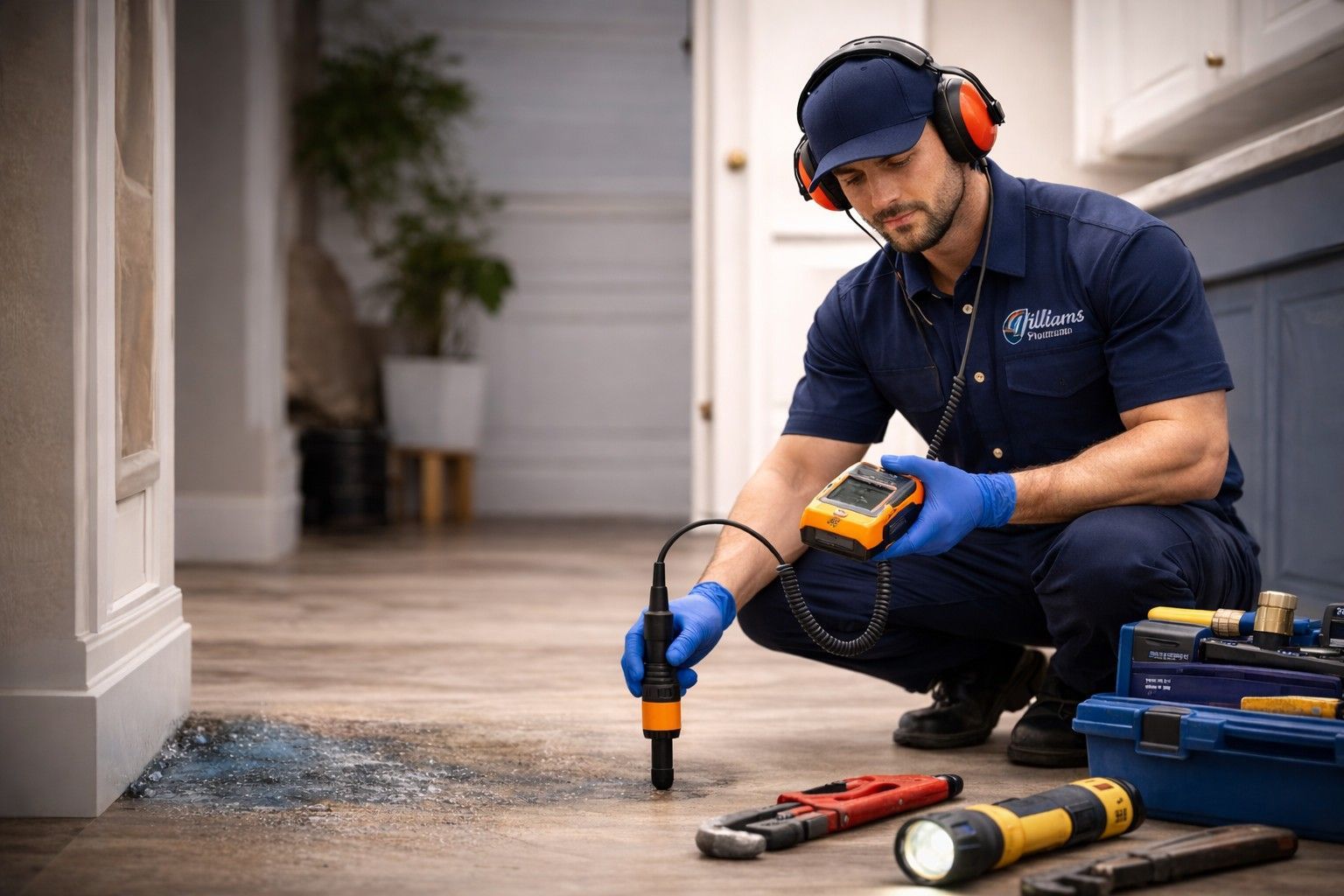
When the source of a leak is not obvious, the objective should be to narrow down the problem before unnecessary areas of the home are opened.
Professional leak detection can help identify the likely location of the leak and give the plumber more information before recommending a repair.
The specific diagnostic approach depends on the plumbing system and the symptoms being experienced.
Can a Small Hidden Leak Cause Damage?
Even a relatively small leak can become a larger concern if it continues long enough.
Moisture may eventually affect drywall, flooring, baseboards, cabinetry, insulation, or other materials depending on where the leak is located.
A continuous leak can also waste water and contribute to higher monthly utility costs.
What Should You Do If Water Is Actively Leaking?
If water is actively escaping and you can safely identify the affected fixture or supply line, shutting off the nearby water valve may help reduce additional water damage.
If you cannot isolate the leak and water continues flowing, the home's main water supply may need to be shut off.
Avoid standing in water near electrical outlets, appliances, or other electrical equipment.
Once the water is controlled, contact a plumber to identify what failed and determine the appropriate repair.
Williams Plumbing Leak Detection & Repair
Williams Plumbing provides professional leak detection and plumbing repair for homeowners throughout Rancho Cucamonga and surrounding Inland Empire communities.
If your water bill has increased, you hear unexplained running water, moisture keeps appearing, or you simply suspect that something is leaking, we can help determine the next step.
Suspect a Hidden Water Leak?
If you are seeing signs of a leak but cannot identify where the water is coming from, Williams Plumbing can inspect the plumbing system and help determine what is happening.
Call 909-702-0130 →